

Introduction:
The cryptocurrency market is one of the most exciting, volatile, and talked-about financial landscapes of the 21st century. But for many, it remains a complex and intimidating world. What exactly is the cryptocurrency market, how does it work, and how can you navigate it intelligently?
This comprehensive guide will demystify the digital asset space. We’ll break down the core components, key drivers, and essential strategies you need to understand the cryptocurrency market.
What is the Cryptocurrency Market?
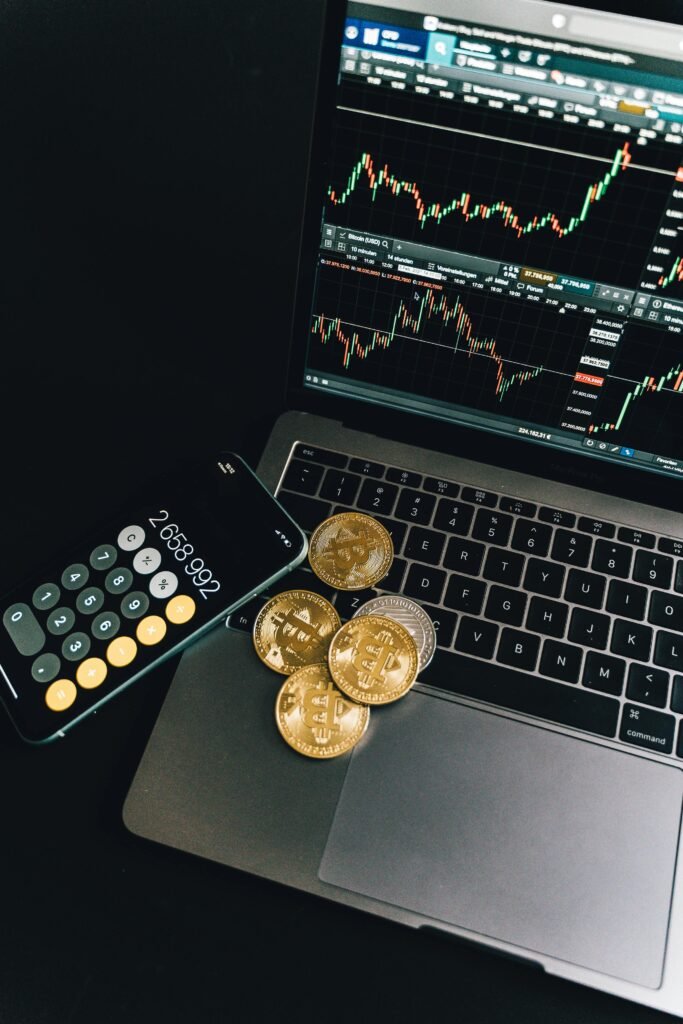
At its simplest, the cryptocurrency market is a decentralized digital ecosystem where cryptocurrencies are created, traded, and stored. Unlike traditional stock markets with a central exchange like the NYSE, the crypto market operates 24/7 across a global network of computers and independent exchanges.
Think of it as having two main layers:
Secondary Market: Where investors trade existing cryptocurrencies on exchanges like Coinbase, Binance, and Kraken. This is the “market” most people refer to when discussing crypto prices.
Primary Market: Where new cryptocurrencies are launched, often through methods like Initial Coin Offerings (ICOs) or Initial Exchange Offerings (IEOs).
Key Components of the Crypto Market
To truly grasp the cryptocurrency market, you need to understand its building blocks:
Blockchains: This is the underlying technology—a distributed, immutable ledger that records all transactions. The health and security of major blockchains like Bitcoin and Ethereum are fundamental to the entire cryptocurrency market.
Cryptocurrencies & Tokens: These are the digital assets themselves. Bitcoin (BTC) is the pioneer, often called “digital gold.” Ethereum (ETH) is known for its smart contract functionality, powering most decentralized applications (dApps). Thousands of other “altcoins” serve various purposes.
Exchanges: These are the platforms where you buy, sell, and trade cryptocurrencies. They can be centralized (CEXs) like the ones mentioned above or decentralized (DEXs) like Uniswap, which allow peer-to-peer trading without an intermediary.
Wallets: Digital wallets are essential for storing your crypto assets. They come in various forms, including hardware wallets (cold storage, most secure) and software wallets (hot wallets, more convenient).

Pros and Cons of the Cryptocurrency Market
Pros
Portfolio Diversification: Crypto assets have historically had a low correlation to traditional financial markets, making them a potential tool for diversifying an investment portfolio.
High Return Potential: The cryptocurrency market has created substantial wealth for early adopters. Its high volatility can lead to significant gains that are often unmatched by traditional assets like stocks or bonds.
Decentralization and Freedom: Many cryptocurrencies operate on decentralized networks, free from control by any single government or central bank. This can provide financial access to unbanked populations and resist censorship.
Accessibility and Inclusion: Anyone with an internet connection can access the cryptocurrency market 24/7, unlike traditional markets that have limited operating hours and geographic restrictions.
Innovation and Utility: Blockchain technology enables revolutionary applications like smart contracts, decentralized finance (DeFi), and non-fungible tokens (NFTs), which promise to disrupt numerous industries.
Cons:
- Extreme Volatility: This is the most cited risk. Prices can surge, but they can also crash dramatically in a short period. It’s not uncommon for assets to lose 20-50% of their value in a single day.
- Regulatory Uncertainty: The regulatory landscape for the cryptocurrency market is still evolving. New government regulations could negatively impact the value of certain assets or how they can be used.
- Security Risks: While blockchain itself is secure, the ecosystem is rife with risks, including exchange hacks, phishing scams, and wallet vulnerabilities. There is no FDIC insurance for lost or stolen crypto.
- Technological Complexity and Learning Curve: Understanding how to securely buy, store, and use cryptocurrencies can be a significant barrier for newcomers, leading to costly mistakes.
- Potential for Illicit Activity: The pseudonymous nature of transactions has, at times, made the cryptocurrency market a venue for money laundering and other illegal activities, which can attract regulatory scrutiny and reputational damage.

Major Players in the Crypto Ecosystem
No discussion of the cryptocurrency market is complete without mentioning its key players:
Institutional Investors: The entry of large corporations, hedge funds, and asset managers has brought new levels of capital and legitimacy to the space.
Bitcoin (BTC): The original cryptocurrency and the market’s bellwether. Its price often sets the tone for the entire market—a phenomenon known as “King Bitcoin.”
Ethereum (ETH): The leading platform for decentralized finance (DeFi) and non-fungible tokens (NFTs). Its native token, Ether, is the second-largest by market cap.
Stablecoins: Like Tether (USDT) and USD Coin (USDC), these are cryptocurrencies pegged to a stable asset, like the U.S. dollar. They are crucial for trading and mitigating volatility within the cryptocurrency market.
The Future of the Cryptocurrency Market
The cryptocurrency market is continuously evolving. Key trends to watch in [2024] and beyond include the maturation of DeFi and NFTs, the rise of Central Bank Digital Currencies (CBDCs), and increasing regulatory clarity. While the road ahead will undoubtedly be bumpy, the underlying blockchain technology promises to reshape finance and beyond.
…
Conclusion
The cryptocurrency market is a double-edged sword, offering immense potential alongside substantial risk. By understanding its core components, carefully weighing the pros and cons, and recognizing its key drivers, you can navigate this dynamic space with greater confidence. The key to success is continuous learning, prudent risk management, and a clear, disciplined strategy
[…] like Bitcoin and Ethereum, SOL has cemented itself as a major player. But what exactly is the Solana coin, and why has it generated so much excitement and […]
Your point of view caught my eye and was very interesting. Thanks. I have a question for you.
Reading your article helped me a lot and I agree with you. But I still have some doubts, can you clarify for me? I’ll keep an eye out for your answers. https://accounts.binance.com/fr-AF/register?ref=JHQQKNKN
Can you be more specific about the content of your article? After reading it, I still have some doubts. Hope you can help me. https://www.binance.info/es/register?ref=RQUR4BEO
I don’t think the title of your article matches the content lol. Just kidding, mainly because I had some doubts after reading the article. https://www.binance.com/register?ref=IXBIAFVY