


Introduction
If you’ve heard the term “a.i artificial intelligence“ in the news, used a smart assistant, or been recommended a product online, you’ve already interacted with AI. But what exactly is it? Is it just a buzzword, or is it a transformative technology shaping our future?
This guide will demystify a.i artificial intelligence for you. We’ll break down what it is, how it works, the different types you should know, and its profound impact on our world today.
What is A.I. Artificial Intelligence?
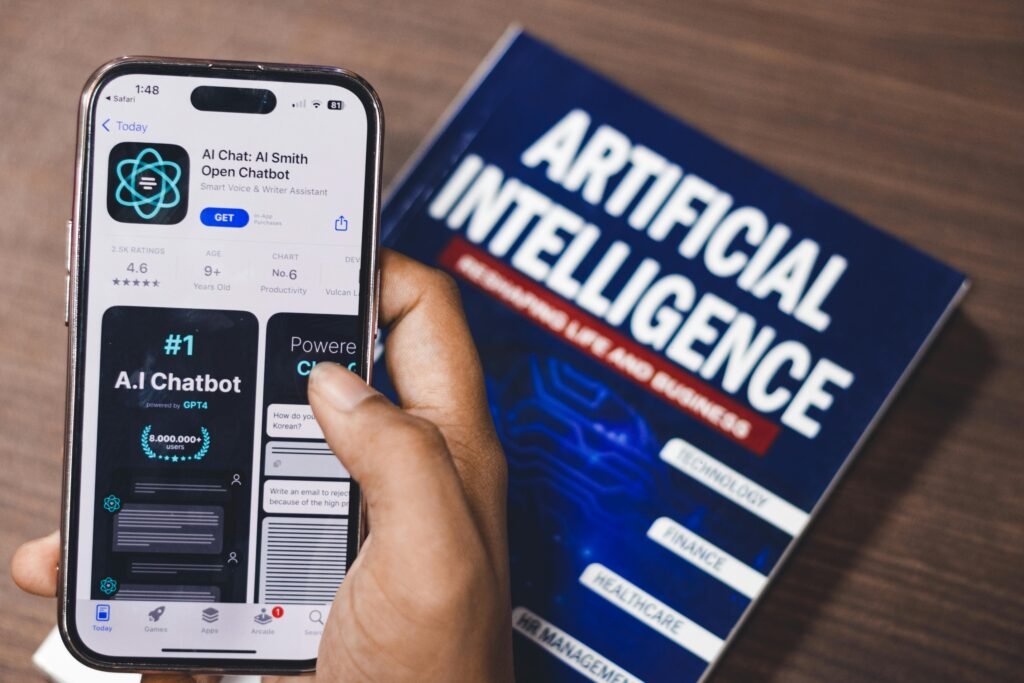
So, what is a.i artificial intelligence? In simple terms, A.I. artificial intelligence is a field of computer science focused on building machines and systems capable of performing tasks that normally require human intellect. This includes learning, reasoning, problem-solving, perception, and understanding language.
The goal of a.i artificial intelligence is to create technology that can function intelligently and independently.
How A.I. Artificial Intelligence Works: The Core Concepts
Modern a.i artificial intelligence systems are powered by two key concepts: machine learning and deep learning.
- Machine Learning: This is the primary way most a.i artificial intelligence operates. Instead of being explicitly programmed for every task, ML algorithms learn from large sets of data to identify patterns and make decisions.
- Deep Learning: A more advanced subset of machine learning, deep learning uses artificial neural networks to process data in complex ways, enabling breakthroughs in fields like computer vision and speech recognition.
This data-driven approach is what makes contemporary a.i artificial intelligence so powerful and adaptable.
The Pros and Cons of A.I. Artificial Intelligence
Pros of A.I. Artificial Intelligence
Handling Dangerous Tasks: AI can be deployed in environments that are hazardous to humans, such as deep-sea exploration, disaster response, and handling radioactive materials.
Efficiency and Automation: A.i artificial intelligence can automate repetitive, time-consuming tasks, freeing up humans for more complex and creative work. This leads to massive gains in productivity and efficiency.
Data Analysis and Insights: AI systems can analyze vast datasets far beyond human capability, identifying patterns and trends that can lead to breakthroughs in science, medicine, and business strategy.
Reduction of Human Error: AI can perform tasks with incredible precision and consistency, reducing errors in areas like manufacturing, accounting, and medical diagnosis.
24/7 Availability: Unlike humans, AI systems do not need to sleep or take breaks. This allows for round-the-clock customer service, monitoring, and operational efficiency.
Cons of A.I. Artificial Intelligence
- High Implementation Costs: Developing and implementing a.i artificial intelligence systems requires significant investment in specialized hardware, software, and skilled personnel.
- Job Displacement: One of the biggest societal concerns is that automation through a.i artificial intelligence could render many traditional jobs obsolete, leading to economic disruption.
- Lack of Creativity and Empathy: While AI can optimize and replicate, it lacks genuine human qualities like creativity, intuition, and empathy, which are crucial for leadership, innovation, and caregiving.
- Ethical Concerns and Bias: AI systems can perpetuate and even amplify the biases present in their training data, leading to unfair outcomes in areas like hiring, lending, and law enforcement.
- Security and Privacy Risks: The vast amounts of data required to power a.i artificial intelligence create new targets for cyberattacks and raise serious concerns about surveillance and data privacy.

Real-World Applications of A.I. Artificial Intelligence
You likely interact with a.i artificial intelligence every day. Here are some of its most common applications:
Finance: Banks use a.i artificial intelligence for fraud detection, algorithmic trading, and risk management.
Virtual Assistants: Siri, Alexa, and Google Assistant are all powered by a.i artificial intelligence.
Recommendation Systems: The personalized suggestions on Netflix, Spotify, and Amazon are driven by sophisticated a.i artificial intelligence algorithms.
Healthcare: A.i artificial intelligence helps in analyzing medical images, predicting disease outbreaks, and personalizing treatment plans.
…
Conclusion
Understanding a.i artificial intelligence—its potential, its limitations, and its risks—is no longer a niche skill. By grasping the fundamentals, pros, and cons of a.i artificial intelligence, you can better navigate the present and prepare for the future it is shaping.

[…] comprehensive guide is designed to help you understand not just how to find a great personal injury lawyer in NYC, but also why it’s a critical decision. We’ll break down the pros and cons, what to […]