

Introduction:
If you’re in marketing, you’ve heard the buzz. But AI and marketing isn’t just hype—it’s fundamentally reshaping how brands find, understand, and engage with customers. From crafting personalized emails to predicting the next market trend, artificial intelligence is moving from a “nice-to-have” to a core component of every successful marketing stack.
This guide cuts through the noise. We’ll explore the tangible ways AI is revolutionizing marketing, provide actionable use cases, and show you how to get started—no PhD in data science required.
What Does “AI and Marketing”
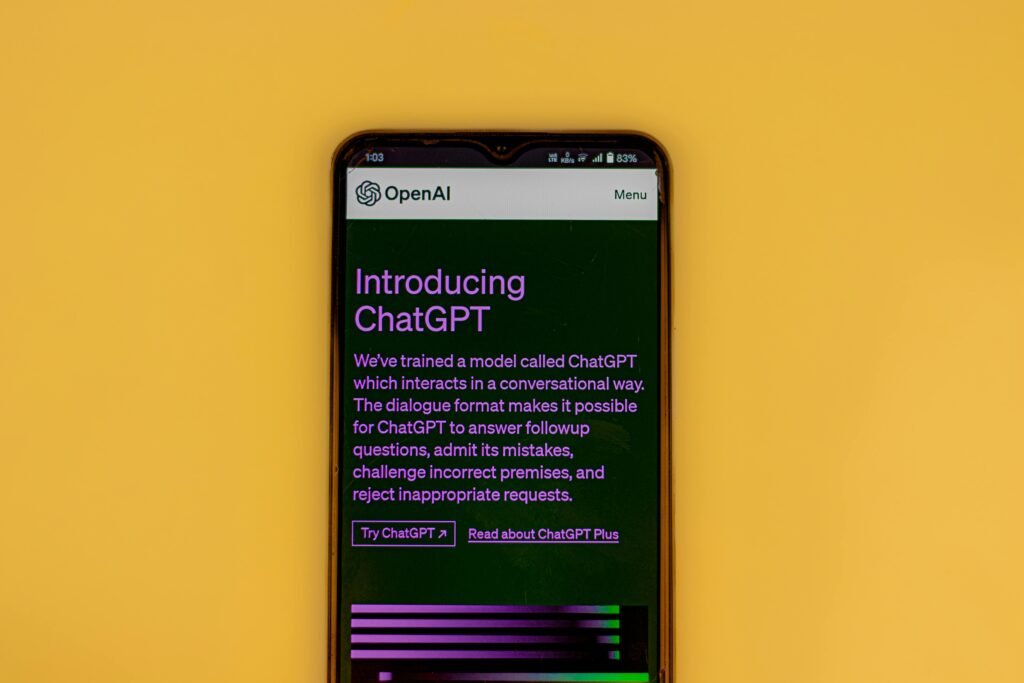
At its core, AI in marketing refers to the use of machine learning, natural language processing, predictive analytics, and other intelligent technologies to automate decisions, personalize experiences, and derive insights from data at a scale impossible for humans alone.
Think of it as a force multiplier for your team: handling repetitive tasks, uncovering hidden patterns, and freeing up your creative and strategic minds to do what they do best.
The Tangible Impact: Key Applications of AI and Marketing
1. Hyper-Personalization at Scale
Gone are the days of “Dear [First Name].” Modern AI analyzes user behavior, purchase history, browsing data, and even real-time interactions to deliver unique content, product recommendations, and offers.
- Example: Netflix and Spotify’s eerily accurate “Because you watched/listened to” engines.
- Marketing Takeaway: Use AI-powered platforms to segment audiences dynamically and personalize website content, email campaigns, and ad copy automatically.
2. Predictive Analytics & Customer Insights
AI and marketing analytics are a perfect match. AI can sift through terabytes of data to predict future customer behavior: who is likely to buy, who is at risk of churning, and what the next big product trend might be.
- Example: E-commerce brands use AI to predict lifetime value (LTV) and focus ad spend on high-potential customers.
3. Revolutionizing Content Creation & Curation
AI copywriting and content tools are assisting (not replacing) marketers. They help overcome creative block, generate SEO-optimized first drafts, create social media posts, and even personalize video scripts.
- Important Note: The most effective strategy is AI-assisted creation, where humans provide the strategy, brand voice, and final polish.
4. Smarter Advertising & Media Buying
AI algorithms optimize PPC campaigns in real-time. They automatically adjust bids, test ad creatives, and find the most valuable audiences across platforms like Google Ads and Meta, maximizing your return on ad spend (ROAS).
5. Enhanced Customer Service & Chatbots
AI-powered chatbots and virtual assistants provide instant, 24/7 support, answer FAQs, qualify leads, and book appointments, creating a seamless customer journey from first touch to purchase.
6. Advanced SEO & Content Strategy
Tools leveraging AI for marketing can perform sophisticated keyword clustering, analyze search intent, audit your site for technical issues, and suggest content topics that are likely to rank—moving beyond basic keyword lists.
Getting Started: How to Implement AI in Your Marketing Today
Identify a Pain Point: Start small. Is it slow content creation? Ineffective ad targeting? Poor email engagement? Pick one challenge.
Choose the Right Tool: Research accessible AI marketing tools. Examples include:
Content & Copy: Jasper, Copy.ai, SurferSEO
Email Marketing: HubSpot, Brevo (using AI features)
Advertising: Google Ads Smart Bidding, Adobe Marketo Engage
Analytics: Microsoft Clarity, Google Analytics 4 (with AI insights)
Test, Learn, and Integrate: Run a pilot project. Measure results against old methods. Train your team on using AI as a collaborative tool.
Scale and Expand: Once you see success in one area, expand your use of AI to other marketing channels and functions.
The Human Edge: Why Marketers Are More Important Than Ever
A common fear is that AI and marketing means replacing humans. The opposite is true. AI handles the data-heavy lifting, but it lacks human empathy, creativity, and strategic vision. The future belongs to marketers who can orchestrate AI tools — interpreting insights, building brand stories, and making ethical, high-level strategic decisions.

…
Conclusion
The integration of AI and marketing is no longer a question of “if” but “how soon.” Brands that adopt and adapt to these technologies will gain an insurmountable edge in efficiency, personalization, and insight.
Begin your journey today. Experiment with one tool, address one challenge, and watch as AI transforms not just your marketing strategy, but your entire business potential.