


Introduction
Understanding credit cards and loans is fundamental to managing your financial health. These two tools form the cornerstone of consumer credit, but they serve different purposes and come with distinct rules. Choosing the right one can save you money, build your credit score, and help you achieve your goals. Choosing the wrong one can lead to costly debt.
This definitive guide will explain exactly what credit cards and loans are, when to use each, and how to manage them strategically for a stronger financial future.
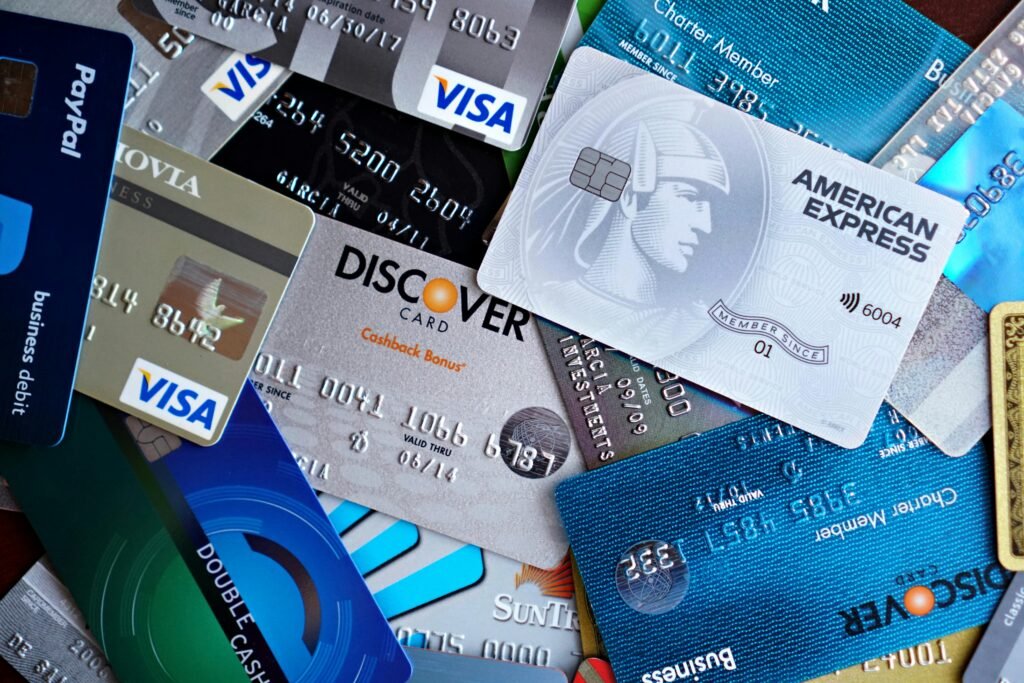
What Are Credit Cards and Loans?
At their core, both credit cards and loans provide you with borrowed money. The critical difference lies in how you access and repay that money.
A loan (like a personal, auto, or mortgage loan) is installment credit. You receive a one-time lump sum of money upfront and agree to repay it in fixed, scheduled payments (installments) over a set period (e.g., 36 months). The interest rate and payment amount are typically fixed for the life of the loan.
A credit card is a revolving line of credit. You are given a credit limit (e.g., $5,000). You can borrow up to that limit, pay it back, and borrow again. Repayment is flexible—you can pay the minimum, the full balance, or any amount in between each month. Interest is charged only on carried-over balances.
When to Use a Credit Card vs. When to Use a Loan
Making the right choice between credit cards and loans depends on your specific need.
Use a Credit Card For:
- Everyday Purchases: Groceries, gas, subscriptions. Best when you can pay the balance in full each month to avoid interest.
- Building Credit History: Consistent, on-time payments are reported to credit bureaus.
- Emergencies (when savings aren’t enough): Provides a short-term buffer.
- Earning Rewards: Cash back, travel points, or purchase protections (e.g., extended warranties, fraud protection).
Use a Loan For:
Predictable Budgeting: Fixed monthly payments make long-term financial planning easier.
Large, Planned Expenses: Financing a car, a home renovation, or a wedding.
Debt Consolidation: Combining multiple high-interest credit card balances into one single, lower-interest loan payment. This is a primary strategic link between credit cards and loans.
How Credit Cards and Loans Impact Your Credit Score
Your handling of credit cards and loans directly shapes your credit score. Here’s how:
Length of Credit History & New Credit: Both credit cards and loans contribute to the average age of your accounts. Opening several new accounts at once can cause a temporary dip.
Payment History (35%): The most critical factor. A single late payment on either a credit card or a loan can significantly hurt your score.
Credit Utilization (30%): This applies specifically to credit cards. It’s the ratio of your card balance to your credit limit. Experts recommend keeping utilization below 30%. Loans do not affect this ratio.
Credit Mix (10%): Having both types of credit—revolving (credit cards) and installment (loans)—and managing them well shows lenders you can handle diverse credit, potentially boosting your score.
The Strategic Move: Using a Loan to Pay Off Credit Card Debt
One of the most powerful financial strategies involving credit cards and loans is debt consolidation. If you have high-interest credit card debt, you can take out a personal loan with a lower interest rate to pay off those cards. This achieves two things:
Helps Your Credit Score: It lowers your overall credit utilization ratio (by paying down revolving balances) and adds a healthy installment account to your mix.
Saves Money: You pay less in interest overall.
How to Manage Credit Cards and Loans Responsibly
For Credit Cards: Pay your statement balance in full, every month. This avoids interest charges entirely. Keep your credit utilization low.
For Loans: Never miss a payment. Consider setting up autopay. Check if there are prepayment penalties before paying off a loan early.
For Both: Always read the fine print. Understand all fees, penalties, and rate change terms. Monitor your credit report regularly for accuracy

…
Conclusion :Credit Cards and Loans as Financial Tools
Credit cards and loans are not inherently good or bad. They are tools. A credit card is a flexible tool for daily spending and building credit when used with discipline. A loan is a structured tool for financing significant, planned investments over time.
The secret to financial success is knowing which tool to use for the job. By understanding the distinct roles of credit cards and loans, you can borrow smarter, avoid costly debt cycles, and build a solid foundation for your financial goals. Start by reviewing your current debt, checking your credit score, and making a plan that uses these tools to your advantage