

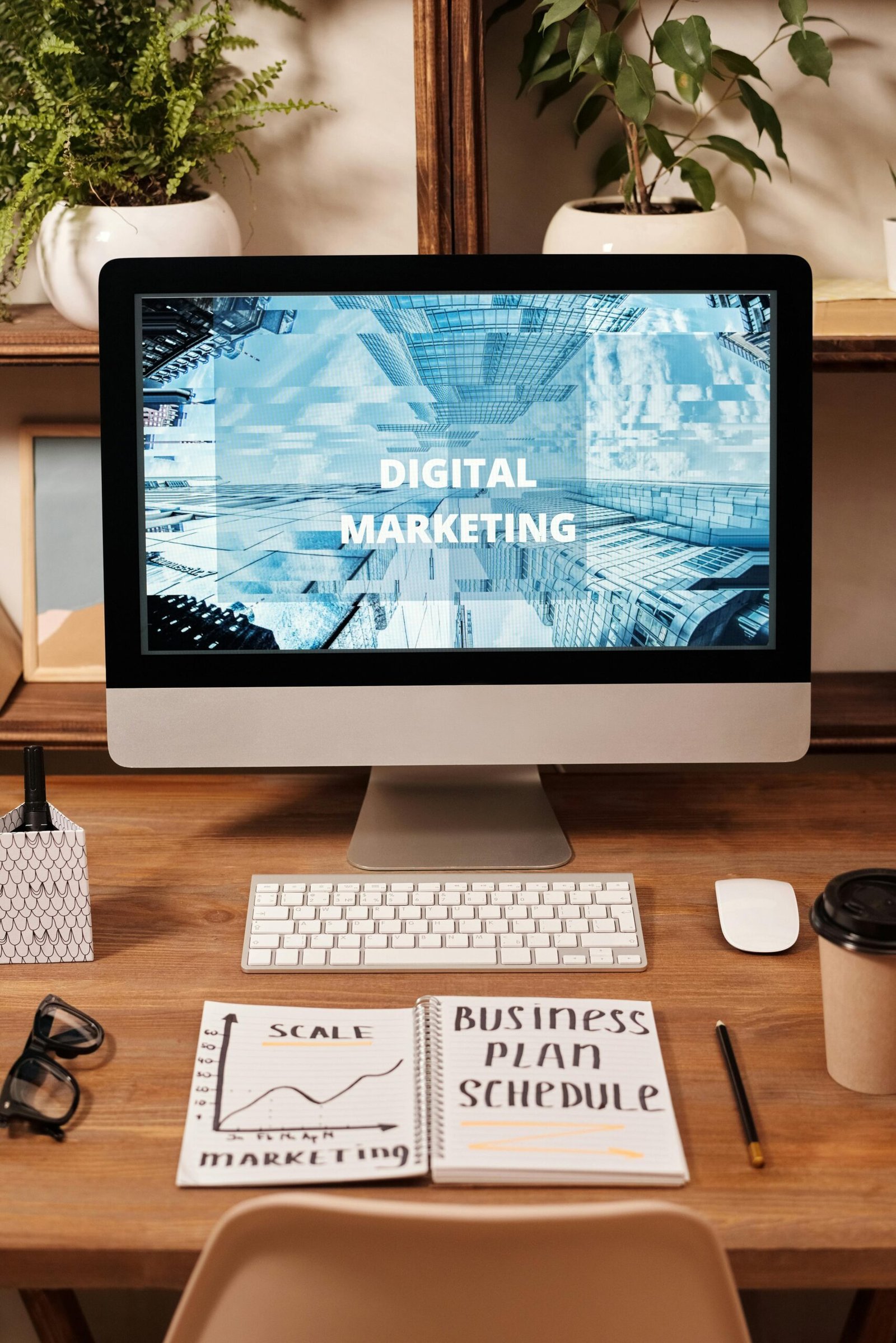
IntroductionIn our hyper-connected world, digital marketing has evolved from a “nice-to-have” into an absolute business necessity. By 2026 the landscape has shifted dramatically. With people spending an average of 7 hours daily online and a staggering 97% of consumers researching products and services online before buying, a robust digital presence is no longer optional .
For beginners, the sheer scope of digital marketing can feel overwhelming. There are countless platforms, ever-changing algorithms, and a constant stream of new trends like AI-driven content and social commerce. But fear not. This guide breaks down exactly how to start digital marketing in 2026 into clear, manageable steps. We’ll cover the essential channels, provide a five-step action plan, and give you a balanced look at the pros and cons to set you up for real success.
How to Start Digital Marketing? More Than Just Online Ads
At its core ,How to Start Digital Marketing is any marketing effort that uses digital channels and technologies to connect with current and potential customers . It’s a broad umbrella covering everything from a TikTok video and a blog post to a Google search ad and an email newsletter.
Dave Chaffey, author of Digital Marketing: Strategy, Implementation and Practice, neatly defines it as: “Achieving marketing objectives through applying digital media, data and technology” . This definition highlights a crucial point: it’s not about using technology for technology’s sake, but about leveraging it to hit specific business goals.
In 2025, its power lies in precise targeting, real-time adaptability, and measurable results . Unlike a billboard, a digital campaign can be tweaked instantly based on performance data.
The Core Components ofHow to Start Digital Marketing
To understand how to start digital marketing, you must first know the key channels at your disposal. Each serves a unique purpose in a holistic strategy.
| Channel | Primary Purpose | Key Platforms/Tools |
|---|---|---|
| Search Engine Optimization (SEO) | Organic visibility, long-term traffic growth | Google, Bing, YouTube, SEMrush, Ahrefs |
| Content Marketing | Establishing authority, addressing customer needs | Blogs, videos, infographics, guides, podcasts |
| Social Media Marketing (SMM) | Brand building, community engagement, customer service | Facebook, Instagram, TikTok, LinkedIn |
| Email Marketing | Customer retention, lead nurturing, promotions | Mailchimp, Klaviyo, SendPulse |
| Pay-Per-Click (PPC) | Immediate traffic, testing new markets | Google Ads, Facebook Ads, TikTok Ads |
| Influencer Marketing | Building trust, reaching engaged communities | Platform-specific creators, bloggers |
How to Start Digital Marketing: A 5-Step Action Plan for 2026
Ready to dive in? Follow this actionable plan to launch your digital marketing journey effectively.
Step 1: Define Your Target Audience and Goals
Before you create a single post, you must know who you’re talking to and why.
- Create Buyer Personas: Go beyond basic demographics. What are their interests, pain points, and online behaviors? What problems can you solve for them? .
- Set SMART Goals: Goals should be Specific, Measurable, Achievable, Relevant, and Time-bound. Instead of “get more website traffic,” aim for “increase organic traffic by 20% in the next quarter.”
- Map the Customer Journey: Use frameworks like the RACE model (Reach, Act, Convert, Engage) to understand how customers interact with your brand and set appropriate goals for each stage .

Step 2: Master the Essential Tools (Start Free)
You don’t need a huge budget to begin. Familiarize yourself with these fundamental tools:
- Analytics: Google Analytics is non-negotiable for understanding user behavior .
- SEO & Keyword Research: Use Google Trends for content ideas and tools like Yoast SEO if you’re on WordPress to optimize your site .
- Content Creation: Canva is perfect for beginners creating social media graphics. For AI-assisted content ideation, tools like ChatGPT can be a great starting point .
- Social Media Management: Platforms like Buffer or Later help you schedule posts and analyze performance for free .
Step 3: Develop a Content Strategy
Content is the fuel for all your digital marketing channels. Your strategy should address the audience’s needs at different journey stages:
- Awareness Stage: Educational blog posts, “how-to” videos, and infographics that address broad problems.
- Consideration Stage: Case studies, product comparisons, and webinars that help evaluate solutions.
- Decision Stage: Testimonials, free trials, and demos that encourage a purchase .
Step 4: Implement, Measure, and Optimize (The Test & Learn Approach)
Start small. Pick 2-3 channels where your audience is most active and focus your efforts there.
- Start with Free Methods: Claim your Google Business Profile and create helpful content before spending a dime on ads .
- Test with Small Budgets: If you run ads, start with a tiny budget (e.g., £4-8 per day) for 2-4 weeks to see what works before scaling up .
- Track Key Metrics: Monitor KPIs relevant to your goals, such as website traffic, engagement rates, email open rates, and conversion rates. Use this data to refine your approach .
Step 5: Stay Ahead of Key Trends
Digital marketing in 2026 is shaped by a few powerful trends:
Human-Centric Marketing: Amidst the data, authenticity wins. Campaigns that tell genuine stories and create emotional connections build more trust than those just chasing clicks .
AI is Essential: 70% of strategies are now powered by AI-driven decisions. Use AI for content ideation, chatbots, and predictive analytics .
Search Everywhere Optimization: It’s not just Google. 40% of Gen Z use TikTok as their primary search engine. Ensure your content is optimized for discovery on all platforms .

The Pros and Cons of Digital Marketing
To build a sustainable strategy, it’s crucial to understand the inherent advantages and challenges of digital channels.
The Pros
- Cost-Effective & High ROI: Digital marketing levels the playing field. You can start with free methods like SEO and content marketing . Even paid channels offer high returns, with email marketing averaging $42 for every $1 spent .
- Precise Targeting: Reach specific demographics, interests, and behaviors. You can show your ad only to left-handed guitar players in Austin, Texas, if that’s your audience .
- Measurable Results: Every click, view, and conversion can be tracked, allowing for data-driven decisions rather than guesswork .
- Engagement and Relationship Building: Social media allows for two-way conversations, helping you build a community around your brand .
The Cons
Requires Constant Learning: The tools, platforms, and trends evolve rapidly. Staying effective requires a commitment to continuous education .
High Competition and Clutter: Because it’s accessible, everyone is doing it. Standing out in a sea of content and ads is increasingly difficult .
Constant Changes and Algorithm Updates: Social media platforms and search engines constantly change their rules. A strategy that works today might fail tomorrow, requiring you to constantly adapt .
Time-Consuming: Organic marketing (SEO, social media) is free, but it requires a massive investment of time and effort to create quality content and engage with audiences before seeing results .
Skepticism and Ad Blindness: Consumers are savvy. Many ignore banner ads (“ad blindness”) and are skeptical of paid results, trusting organic listings more .
Conclusion
Learning how to start digital marketing is a journey, not a destination. The field is dynamic, challenging, and incredibly rewarding. By following this 2026 guide, you can avoid feeling overwhelmed and take a structured, strategic approach.
Start by defining your audience and goals. Choose one or two channels to master. Focus on creating genuine value through your content. And remember, don’t try to do everything at once, as you’ll end up exhausting yourself and doing nothing very well . Pick a couple of marketing media that align with your audience and objectives, and get started today .