

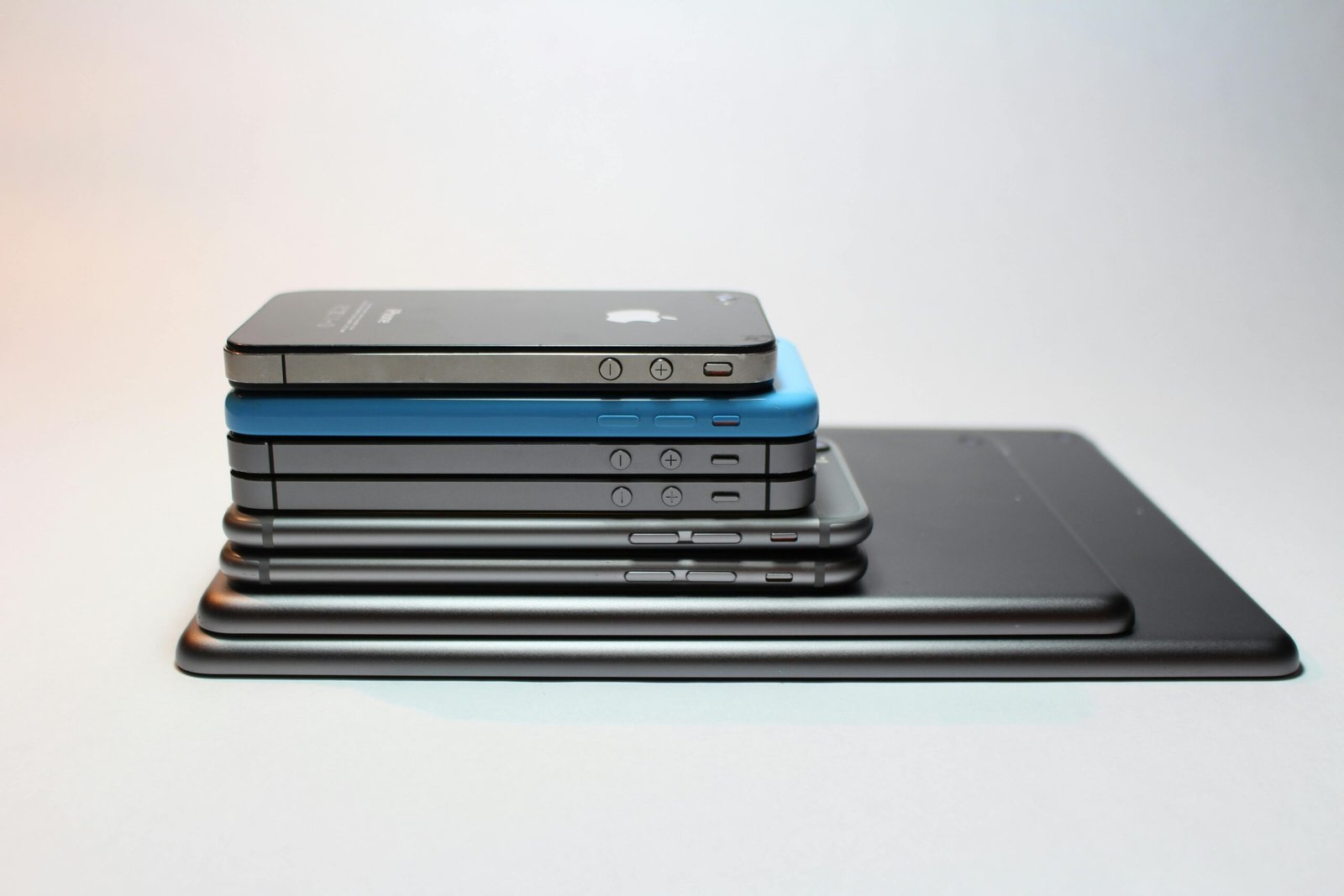
Introduction: The Unstoppable Rise of Mobile Technology
In the span of just a few decades, mobile technology has evolved from a luxury for the few to an indispensable tool for billions. Today, the smartphone in your pocket is more powerful than the computers that sent humans to the moon. But what exactly is mobile technology, and how has it reshaped our world? This deep dive explores its evolution, current impact, and exciting future, proving why this field remains the most dynamic force in the digital age.
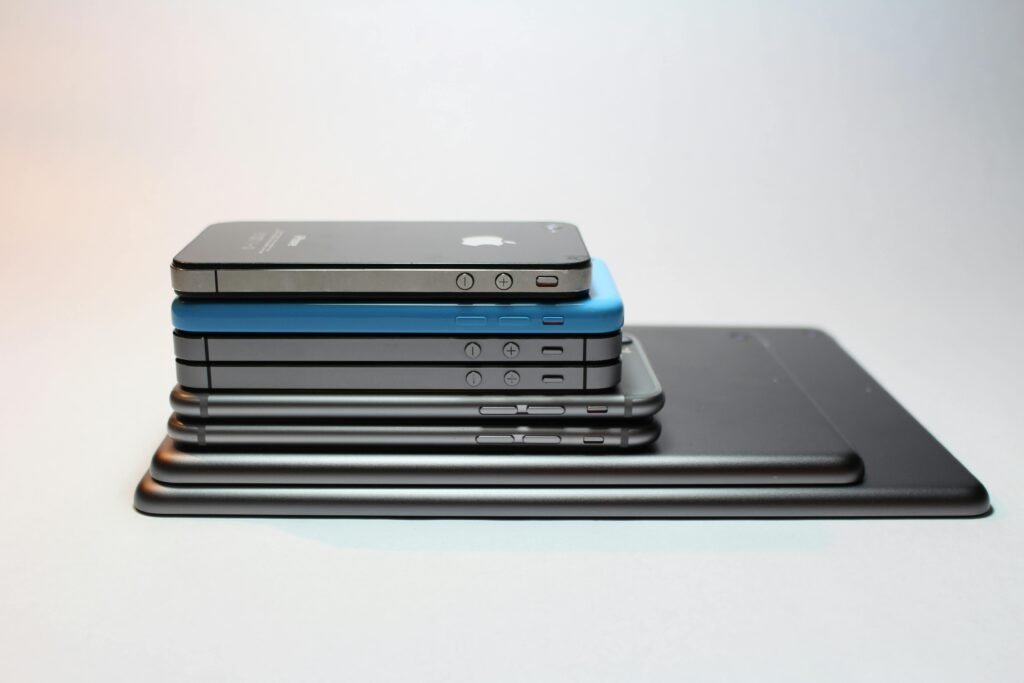
What is Mobile Technology? Beyond Just Phones
When we talk about mobile technology, we refer to the array of portable devices, the networks that connect them, and the services they enable. It encompasses:
- Devices: Smartphones, tablets, wearables (smartwatches, fitness trackers), and emerging form factors like foldables.
- Connectivity: The evolution from 1G to blazing-fast 5G networks, enabling seamless data transfer and real-time communication.
- Software & Apps: Operating systems (iOS, Android) and millions of applications that turn hardware into tools for work, creativity, and connection.
- Supporting Technologies: Cloud computing, mobile-optimized web design, GPS, NFC for contactless payments, and sensors.
This ecosystem works in harmony to keep us informed, productive, and entertained—anytime, anywhere.
The Evolutionary Leap: From Brick Phones to Smart Companions
The journey of mobile technology is a story of radical miniaturization and exponential growth in capability.
The Era of Hyper-Connectivity (5G): Today’s mobile technology is defined by 5G. With ultra-low latency and incredible speeds, it’s the backbone for the Internet of Things (IoT), augmented reality (AR), autonomous systems, and real-time remote work and healthcare.
The Analog Era (1G): The 1980s introduced bulky “brick” phones that only made calls.
The Digital Shift (2G): The 1990s brought SMS texting, smaller devices, and the seeds of data with technologies like GPRS.
The Mobile Internet Dawn (3G): The 2000s made email and basic web browsing on phones a reality.
The Smartphone Revolution (4G/LTE): This was the true game-changer. Fast, reliable internet gave birth to the modern app economy, streaming video, ride-sharing, and social media as we know it. The iPhone (2007) and Android platforms redefined the phone as a general-purpose computer.
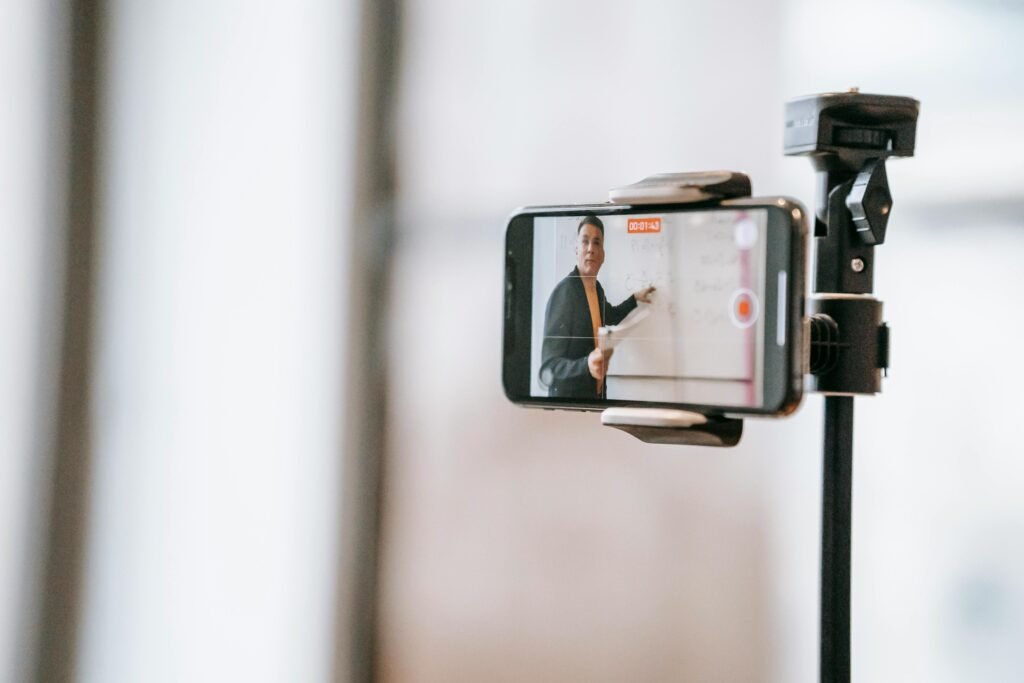
How Mobile Technology is Reshaping Every Industry
The impact of mobile technology extends far beyond personal communication.
Entertainment: On-demand streaming for video (Netflix) and music (Spotify), mobile gaming (a multi-billion dollar industry), and social media content creation are all powered by advanced mobile technology.
Finance: Mobile banking and digital wallets (like Apple Pay and Google Pay) have made cash almost obsolete in many regions. Cryptocurrency and investment apps are also accessed primarily via mobile.
Healthcare: Telemedicine apps allow remote consultations. Wearables monitor heart rate, sleep, and blood oxygen, empowering proactive health management.
Retail & Commerce: M-commerce dominates online sales. Apps provide personalized shopping, while QR codes and contactless payments streamline in-store experiences.
Work: Mobile technology enabled the remote work revolution. Collaboration tools (Slack, Teams), cloud documents, and video conferencing keep teams connected globally.
The Cutting Edge: What’s Next for Mobile Technology?
The frontier of mobile technology is buzzing with innovation:
The Expansion of the IoT: Your smartphone is the central hub for controlling smart home devices, connected cars, and city infrastructure.
Foldable and Flexible Displays: Devices that transform from phone to tablet, offering new possibilities for multitasking and media consumption.
Augmented Reality (AR) Integration: Using the phone’s camera to overlay digital information onto the real world for navigation, education, and immersive shopping.
Advanced AI and On-Device Processing: Smarter virtual assistants (like Siri and Google Assistant) that understand context and perform complex tasks. AI-enhanced photography and real-time language translation are becoming standard.
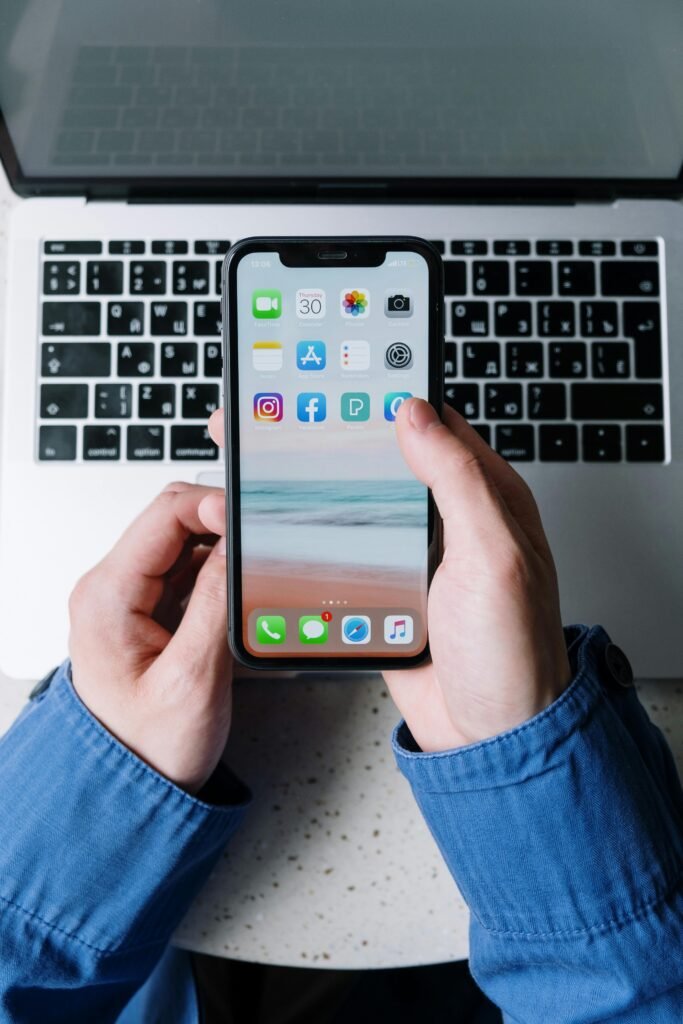
Challenges and Considerations in a Mobile-First World
With great power comes great responsibility. The dominance of mobile technology raises important questions:
The Digital Divide: Ensuring equitable access to the latest mobile technology and high-speed networks.
Digital Wellbeing: Managing screen time and combating notification fatigue.
Privacy & Security: Protecting sensitive personal data on devices that are both powerful and easily lost.
E-Waste: The environmental impact of rapid device turnover and battery disposal.
…
Conclusion: Embracing the Mobile-Future
Mobile technology is not just about the next phone launch; it’s about the continuous weaving of digital capability into the fabric of our daily lives. It has democratized information, revolutionized industries, and redefined human connection. As we look ahead to developments in 5G, AI, and beyond, one thing is clear: the future will be built, accessed, and experienced primarily through mobile technology. Staying informed about these trends isn’t just for tech enthusiasts—it’s essential for anyone who wants to participate fully in the modern world.

Для безопасной игры и получения бонусов посетите [url=https://fugucasino01.online/]fugu casino скачать[/url].
Платформа отличается удобным дизайном и дружелюбным интерфейсом для новичков.
Для безопасной игры и получения бонусов посетите [url=https://fugucasino01.online/]fugu casino скачать[/url].
Система регулярно проходит тестирование для обеспечения высокого качества работы.